
Copywriting is the art of crafting compelling content strategically designed to drive conversions and boost sales. From engaging emails and captivating blogs to persuasive advertisements and enticing catalogs, the copywriter is the skilled professional entrusted with the task of creating and refining the perfect “copy” that captivates and converts.
Are you able to convince your target audience through the strategic use of words? Can you delight and make your blog reader follow all the actions you indicate?
So you’ve probably mastered some of the skills needed to be an excellent copywriter.
It’s important to know that your content can make a difference in a company’s marketing strategy by increasing the number of conversions and your network of customers and potential customers.
Do you want to better understand what copywriting is and how it can be the missing piece for your brand to achieve success? Then, this definitive guide is for you!
- What is Copywriting?
- What is Copywriting in Digital Marketing?
- The Difference Between Copywriting and Content Writing
- What Does a Copywriter Do?
- Why is Copywriting So Valuable?
- What Is The Relationship Between Content Marketing and Copywriting?
- Copywriting Strategies
- Types of Copywriting
- How to Get Copywriting Experience
- Top 5 Tips for Writing Copy
- What to Look for in a Copywriter
- Examples of Copywriting
- How to create a copywriting strategy?
- What Are The 14 Main Copywriting Techniques?
- Is It Possible to Create a Perfect Copy?
- The 11 Most Important Elements and Triggers in Copywriting
- What Are The 10 Most Common Copywriting Mistakes?
- How to Optimize Your Pages With Copywriting and SEO?
- Is Copywriting “Manipulation”?
- How to Become a Copywriter?
- How Is the Scenario Changing, and Why Should Your Company Care About Good Copy?
- Learn How to Win More Leads With Good Content
- How Can Your Company Hire the Best Copywriters?
- Where Can Your Company Find Qualified Copywriters?
- Use Copywriting to Boost Your Conversion Rates
What is Copywriting?
Copywriting is a content production strategy focused on convincing the reader to take a specific action.
The copywriter must write the “copy” (the content) thinking about its persuasive character, using triggers to arouse interest in the reader, in order to generate conversions and sales.
But anyone who thinks that this concept is new is mistaken.
The rise of copywriting
No, copywriting is not a new term. The word copy was first defined in 1828 by Noah Webster and, unlike its literal transposition—”copy”, the term referred to “something original that must be imitated in writing and printing”.
This definition fell out of favor in literature but persisted among journalists and printers who, in the mid-1870s, began to define the copywriter as the professional who writes ads, to differentiate this activity from the traditional news writer.
The copywriters of the 20th century, therefore, were nothing more than copywriters, and the work of these professionals helped several brands to gain fame and millions of dollars at the time.
However, with the popularization of the internet and the rise of Digital Marketing, copywriting was reformulated and started to distance itself more and more from advertising.
What is Copywriting in Digital Marketing?
Copywriting is an essential part of your digital marketing strategy. It can capture the attention of your target audience, tap into their emotions, build curiosity, and excite them into taking action.
It can also increase brand awareness, generate higher-quality leads, and help you acquire new customers.
When used in digital marketing campaigns, copywriting can persuade your readers to take action immediately, and often is found in the following:
- PPC ads
- Social media ads
- Sales emails
- Product pages
- Landing pages
- Sales letters
- Press releases
The Difference Between Copywriting and Content Writing
Confusion often surrounds copywriting and content writing and many lump them into the same category. Yet, it is essential to note that there are distinct differences between the two.
The purpose of content writing is to inform, educate, or entertain your target audience. It is the slower approach, gaining the trust of your target audience to keep them coming back for more.
In contrast, while copywriting can be informative, educational, and entertaining, its true purpose is to serve as a persuasive and promotional mechanism, incorporating a strong push or call to action, and eliciting a response now vs. later.
With copywriting, the tone of voice differs and is deliberate. It is motivational, prompting readers to click on a link, accept a free trial, donate to your cause, make a purchase, or schedule a phone call or consultation.
What Does a Copywriter Do?
A copywriter is a type of content writer that has been around for a long time. A copywriter usually has a plan before sitting down to write copy. Once they obtain a project overview, the next step is to research all possible sources, and this can include:
- Finding the facts supporting the product or service’s claims
- Locating interesting and unique details to include
- Looking for any past or present stories from your organization’s origins or customer experiences
- Searching for a different angle to surprise customers
Some of the questions a copywriter will seek to answer during this early stage include:
- What are consumers currently talking about in online forums and groups, customer reviews, and other sources?
- What keywords are most relevant?
- Are there any relatable interviews available?
Copywriting refers to the creation of content that is meant to encourage readers to buy a product or service or take a specific action that moves them through the sales pipeline.
The copywriter may even go so far as to acquire the product or service, examining and using it to find a way of presenting it in a new way.
Once the research is compiled, the next steps are to write and edit until it is concise enough and meets its purpose of persuasiveness.
What is a UX Copywriter?
“UX” is an acronym for “user experience”.
A UX copywriter is someone who specializes in creating copy aimed at improving the user experience on a company’s website or other channels. This includes copy that helps users make the right decision or instructs them on what to do next.
Things like app instructions, website prompts, or data visualizations all fall under the umbrella of UX copywriting.
Types of Copywriting
Copywriting comes in various forms, each requiring a unique set of skills and approaches:
- SEO Copywriting: Focuses on optimizing content to improve the visibility of websites in search engines.
- Creative Copywriting: Involves crafting stories and messages that captivate and engage the audience, often seen in advertising and brand campaigns.
- Technical Copywriting: Requires a deep understanding of a technical subject to communicate complex information clearly and accurately.
Essential Skills for Copywriters
Successful copywriters often possess a broad range of skills:
- SEO Expertise: Understanding how to optimize content to rank well in search engine results.
- Creativity: The ability to develop original and engaging content that resonates with audiences.
- Research Skills: Strong research capabilities to ensure content is accurate and informative.
- Adaptability: The ability to switch between different writing styles and formats according to the project’s needs.
Why is Copywriting So Valuable?
Copywriting may seem like something that fits neatly in the sales and marketing realm, yet much can be said about its particular value to your organization.
To start, good copywriting is valuable in strengthening your brand’s messaging and image, keeping you top of mind with your target audience.
It can also succinctly point out what makes your business special, your strengths, and what distinguishes you from your competitors. And finally, good copywriting can increase your overall conversion rates.
The difference between copywriting and advertisement writing
Paul Hollingshead, one of the founders of AWAI, one of the largest writer associations in the world, differentiates the two areas as follows:
“Copywriting brings a strong CTA, that is, a strong call to action, while advertising writing refers to a ‘soft selling ad’”
From a more practical point of view, copywriting is more appropriate for attraction strategies, such as Inbound Marketing, in which the sales process extends over a long persuasive process. Advertising writing remains an instrument aimed at direct sales.
This does not mean that the two fields are perfectly distinct. Copywriting “was born” from advertising writing and a good portion of its tools were incorporated by renowned advertisers from the past.
The two types of writing, therefore, are complementary and their approaches are always mixed.
The main goal of copywriting
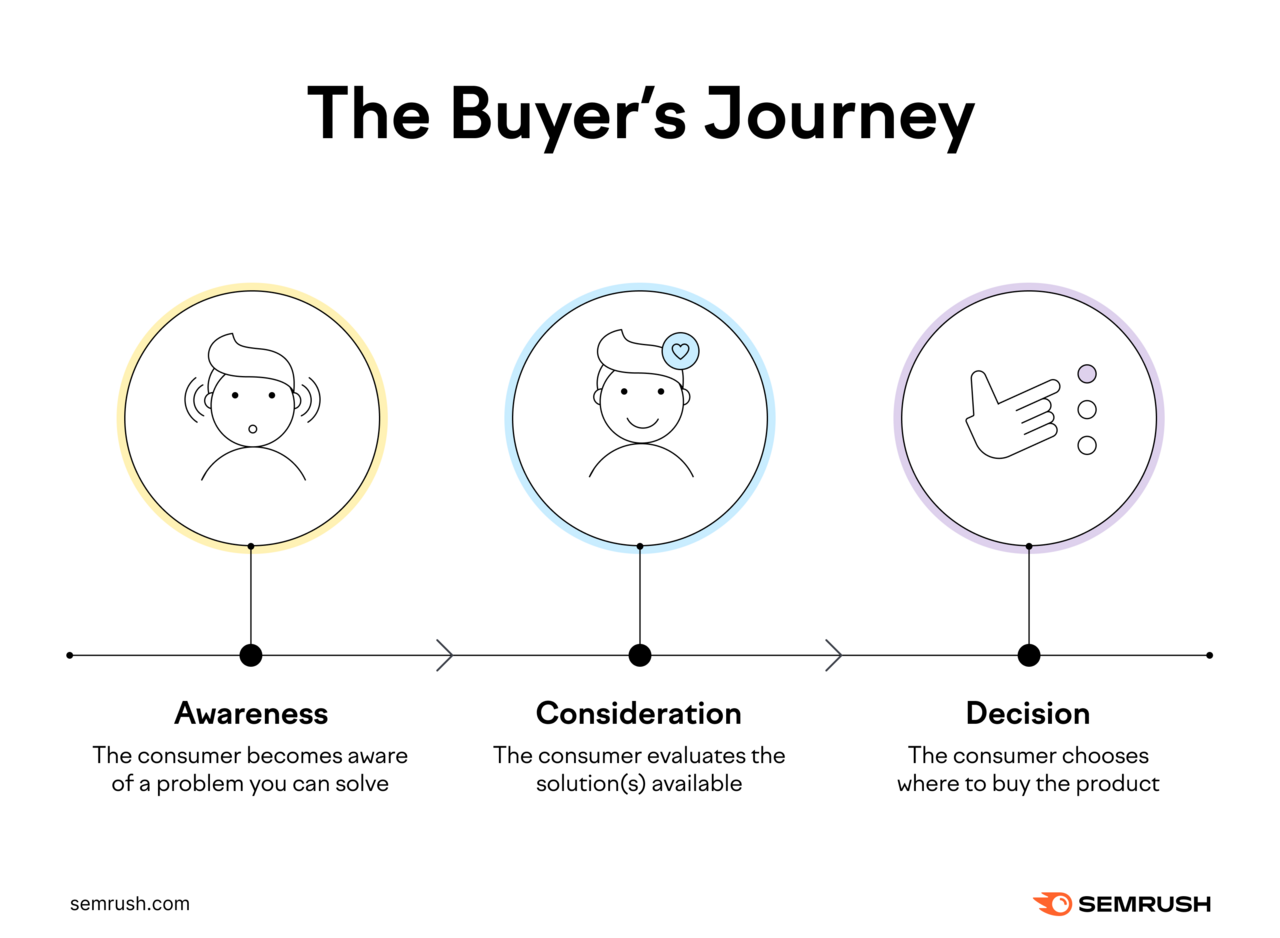
If the CTA is one of the main elements of a copy, it means that throughout the customer’s journey, it will be necessary for the reader to take some action such as subscribing to a newsletter, downloading in-depth content, or just continuing on the blog and read another post, according to the strategy that was established.
It is from this technique that the copywriter is able to convince and capture the visitor’s attention to a website or blog and make them follow the instructions that are given.
This professional educates and trains the persona about a certain product or service to make it clear that their product is the best solution for their demands.
This is done through the production of rich, quality materials such as blog posts, infographics, e-books, whitepapers, webinars, and so on.
What Is The Relationship Between Content Marketing and Copywriting?
Like copywriting, Content Marketing is an old practice that has gained a new guise after the popularization of advertising strategies on the Internet.
In the previous sections, when explaining the concept of copywriting, it was said that it focuses on conversion. Because of this, you must keep in mind that it will have great relevance in the adoption of Content Marketing by a business.

What is Content Marketing?
When Content Marketing is adopted in a company, the goal is to attract, captivate and educate the target audience through content that is relevant and rich for a specific audience.
By building a long-term relationship, it is possible to increase the network of customers and potential customers of the business, providing quality content that meets the interests of your audience.
In other words, Content Marketing leaves behind the old invasive advertisements to turn companies into real educators.
In addition, this strategy is very important to make a company a reference in its market, as it increases its authority and benefits the brand image, which, consequently, attracts new customers and favors business.
The role of copywriting in Content Marketing
As you can see, this “art of selling” cannot be summed up only in the act of marketing a final product, since the copywriter does not always aim to make a sale immediately.
The idea is to extend the consumer experience through a process — the sales funnel — and to lead your audience, step by step, through strategically prepared content to their final destination, which in this case is conversion.
If Content Marketing seeks to engage and attract the target audience through educational, quality content, copywriting will be the differential for the strategy to be effective, as it encourages the reader to take action.
The big secret, both for copywriting and Content Marketing, is to deeply understand who will consume the content. Thus, it is possible to bring the reader and their universe into the narrative and solve their doubts in the best possible way.
Knowing and understanding the characteristics of your readers will help you to develop better briefing, which is going to be useful when you need to outsource to other creators, such as ghostwriters.
The purpose of content writing is to inform, educate, or entertain your target audience.

Copywriting Strategies
Common strategies used by copywriters today include the following.
Think about what George Gribbin, Advertising Industry Leader, said: “A copywriter should have an understanding of people, an insight into them, a sympathy toward them.”
1. Emphasize benefits, not features
Almost anyone can list out the technical details and features of your product or service. For successful copywriting, however, the focus is on emphasizing the benefits instead.
Since consumers want to know how something can benefit them directly, copywriting gives them what they want.
2. Target the emotions
Emotions play a big role in decision-making, so determining how to evoke emotion is a copywriting strategy. While this may at first sound manipulative, it is actually meeting a specific need of a subset of consumers out there. Yes, it may narrow who your target audience becomes, but can truly speak to their mindset in a way that encourages action.
3. Customer-focused copy
While an organization may pride itself in how perfect its products are, the more you boast, the less likely you connect with the mindset of the customer. Instead, good copy shows how it is about them and solving a dilemma or problem they have.
A copywriter will use this customer-focused strategy and replace words such as “we” and “our” with more “you” references.
4. Slide one sentence into the next
You want readers to continue reading, so you craft each sentence so it “slides” into the next. By creating compelling sentences that build excitement, there is a higher chance your reader will continue to the end of your copy.
Begin with an attention-getting headline, and continue to draw the reader in with each sentence, propelling them to want to continue to the end.
5. Create belonging or exclusivity
Almost everyone, at some point, seeks to belong to a group or community. Finding a brand or business they feel comfortable with can create this for them.
For example, owners of Mitsubishi Miatas feel as if they are in a unique group, often meeting up in car enthusiast clubs across the country.
Another way to increase the feeling of belonging is with exclusivity. Word choice will be important and may include “be an insider” or receive “exclusive offers.” With this strategy, customers feel part of a special group with special privileges.

Types of Copywriting
While all copywriting, to some degree, is persuasive writing, there are different types or specialties.
Ad copywriting
The purpose of ad copywriting is to convince readers to take action while using as few words as possible. This means every word matters, and those words will need to target a specific issue or problem succinctly and show how a product or service is a solution. These ads can have a big impact on your conversion rates.
Email copywriting
Emails are still one of the best online methods for reaching customers and can be highly persuasive. Email copywriting will include compelling subject lines and engaging text that builds up to a clear, irresistible call to action.
Social media copywriting
Social media copywriting involves creating posts with targeted messages that speak directly to your audience. Each post, however, will need tailoring to the specific social media platform and its standards.
Technical copywriting
Compelling copy that breaks something technical down into understandable steps, such as how-to articles for product set-up or use, is technical copywriting. While helpful, it is also encouraging to the reader to take action and make a purchase.
SEO copywriting
SEO copywriting incorporates specific tactics, such as the inclusion of the most relevant keywords or title tags, with the dual purpose of persuading readers to act and increasing search engine rankings.
How to Get Copywriting Experience
To gain experience and start building your career in copywriting, the best thing you can do is start networking.
Begin with any family or acquaintances who have a business and need copywriting services. Tell them what you can do and offer to write for free initially. Not only will this provide experience, but it will give you something to put in your portfolio to show potential customers going forward.
Next, advance your networking, such as on LinkedIn. Re-connect with old employers and co-workers wherever they are now, and let them know you now offer copywriting services.
Find local events to attend where you can meet entrepreneurs and businesses in your area and introduce your services. You can also reach out to local businesses directly. Leave a card, send a follow-up email, and check in every now and then without being bothersome.
Another strategy is to find a mentor to learn from and write for, at least initially. Learn all you can from them and apply that to your own practice.
Top 5 Tips for Writing Copy
Along with the various copywriting strategies, these five tips can take you a long way in writing successful copy.
1. Create showstopping leads
Grab the attention of readers right away with a showstopping lead. Make your headline impactful and intriguing.
2. Be specific
Be specific in what you write about. You only have so much time to pull the reader in and convince them to take action. Avoid generalities. Look for something specific about the subject of your copy and use that as the selling point.
3. Use succinct writing
Write succinctly and make every word count. Avoid long or difficult words and, instead, write clearly and simply. Avoid hyperbole and jargon, and get to the point quickly.
4. Write conversationally
Write as if you are conversing with the reader. Avoid telling or preaching with your words, and instead, connect with readers using everyday language.
5. Incorporate testimonials
If possible, find and incorporate relevant customer testimonials to build credibility with readers. These testimonials elicit more trust and believability in the brand, product, or service and make readers feel more comfortable taking the next step.
What to Look for in a Copywriter
At some point, you may be looking for someone to write copy for you. If so, here are the basic things to look for in a copywriter.
- Experience writing copy, or at least an enthusiasm that assures you of their abilities.
- Research skills, including knowledge of reputable sources.
- Familiarity with your field or industry, whether it be financial, technology, health-related, or other.
- Understands or is willing to study your brand voice, messaging, and the benefits of your products or services.
You may also like it:
- Freelance Copywriting Jobs – Where Do I Start?
- The Top 6 Freelance Writing Niches Worth Exploring
- The 20 Best Freelance Writing Tips to Create Fantastic Content
- How can you use Digital Storytelling in your Business Strategy?
Examples of Copywriting
To help you envision what copywriting is, here are three examples of successful copy by different brands.
Buffer
Buffer emphasizes the benefits of its app, not just its features. Here they share how the app is a smarter way to share, saves you time, and is a way to work smarter instead of harder.
Headspace
Headspace, the meditation app, reaches customers on its homepage by being action-oriented and specific. It speaks to the benefits of using the app, such as to “find more joy,” “get more goodnights,” and “make every day happier.”
Death Wish Coffee
Death Wish Coffee creates product descriptions that stand out. For example, for its Gingerdead Coffee, capture attention with headlines, including “Sleigh the Season with Gingerdead,” and also lets readers in on the process of how it is made.
How to create a copywriting strategy?
Writing well is essential, but not enough if you intend to turn your reader into a customer.
There are 3 basic commandments that must be respected in the production of any content for Digital Marketing (be it a text, a micro text, a video, a podcast, or an e-mail):
- inspire the reader;
- create a relationship with the brand;
- motivate readers to take action on the service or product.
In addition to these principles, when planning a copywriting strategy, some other elements must also be considered so that your content is beneficial to both you and your reader. Check out the most important ones below!
1. Research
A blog does not become a reference on a particular subject by accident. It will only achieve success if the content is incredible and really satisfies all the audience’s needs.
Therefore, it takes a lot of research and dedication, in order to produce the best possible content, that is, a piece that is really relevant to the persona, and capable of entertaining and educating them.
2. Goal
Do not think that the publication of posts should happen indiscriminately. Try to establish goals and a path for the customer within the sales funnel.
To assist you in this journey, a widely adopted practice is the editorial calendar. With it, you will be able to strategically publish content and launch campaigns, including the use of holidays and anniversaries.
Remember that this data will also be important if your company hires a marketing automation service.
3. Exclusivity
It is useless to produce more of the same. If your website or blog delivers only the same basic content that is easily found at other addresses in the segment in which you operate, it will never attract the attention of your persona.
To stand out and gain the trust of your reader, one of the essential elements of copywriting is exclusivity.
Be creative, invest in research, and ensure that your content is unique, with new and relevant information for your persona.
4. Optimization
You will understand later the relationship between copywriting and SEO (Search Engine Optimization).
For now, it is ideal that you already have in mind that SEO is very important to ensure that your website has a good position in Google search rankings—or any other search engine—and is found by users.
5. Analytics
Just as the relationship with the customer does not end when a sale is closed, your work does not end when the post is published.
Follow the metrics closely, see if the content is working well, check which tactics should be leveraged, and identify those that need to be avoided.
By analyzing your results, you will be more informed to make decisions and make the success of your website or blog possible.

What Are The 14 Main Copywriting Techniques?
Some techniques must be adopted to ensure that copywriting is a successful strategy. Below, we list the most important ones.
1. Know who your target audience is
Again: you must know who you are writing for or you will not have as many hits as you would like.
First, define your persona. This is a semi-fictional character who represents your ideal client from real data.
It is important to define age, sex, occupation, interests, hobbies, and any other type of information that is relevant to understanding the profile and behavior of these people.
In this way, it will be possible to create content oriented to your potential customers, with a style and approach that come close to their reality, increasing the possibility of conversions.
2. Set the right tone and language
Speaking of approach, it is essential to establish the tone and language that will be adopted in your content.
After defining the persona, you will have made this task a lot easier.
3. Create killer titles
The title is the first contact your reader has with your content and is also one of the most relevant elements for search engines.
There are several title formats: it can start with numbers, suggest a question, present the topic and then make a call, make a provocation, among many other ways.
The important thing is that it is straightforward—that is, the subject is very clear about what the content addresses, or what solution it delivers—, contains the keyword, and does not exceed 55 characters, to ensure that it appears complete on the search results page.
4. Create a connection with the reader
To establish a relationship of trust between you and your potential customer, you need to create a connection with them.
Thus, when planning a particular piece of content, list the strategies that should be adopted to make the reader feel that it was written with them in mind.
You will not simply sell your content or service, but show your blog visitor that you offer exactly what he needs through educational and rich content.